sales@dhundairytech.com | +91 8200673508

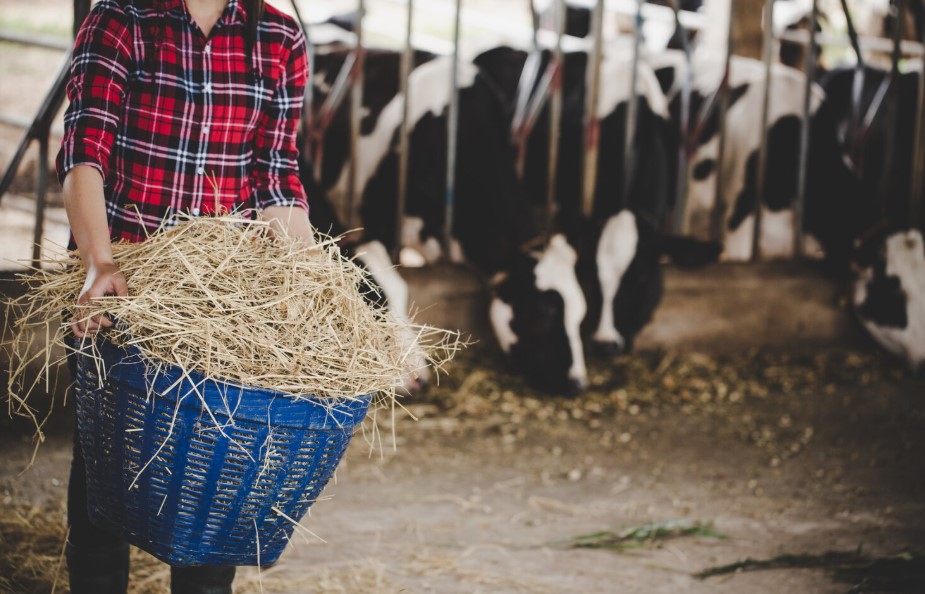
What Is the Most Important Activity of Dairy Farming?

The most important activity in dairy farming is effective daily herd management, with proper feeding and nutrition at its core. A dairy cow can only produce milk efficiently when her nutritional, health, comfort, and environmental needs are consistently managed.
For profitable dairy farming, farmers need to focus on more than simply milking cows. Feeding, clean water, animal health, comfortable housing, hygiene, reproduction, and regular monitoring all work together to maintain milk production and herd performance.
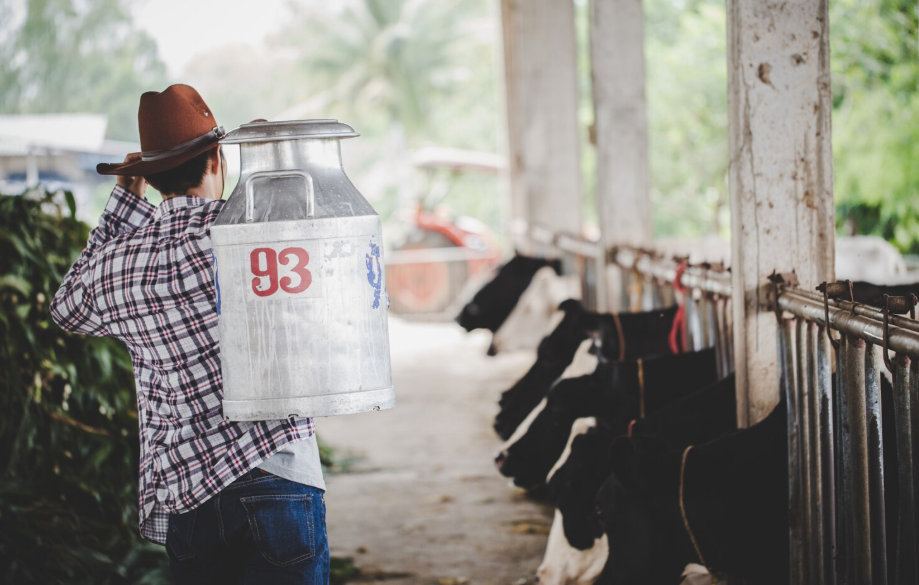
Why Is Feeding the Most Important Activity in Dairy Farming?
Among all dairy farm activities, proper feeding is one of the biggest factors influencing milk production, cow health, and farm profitability.
A balanced ration should provide the right combination of:
- Energy
- Protein
- Fiber
- Minerals
- Vitamins
- Fresh and clean water
High-producing dairy cows have high nutritional requirements. If the ration is poorly balanced or feed intake is inadequate, milk yield can decrease and the risk of health problems can increase.
Farmers should therefore provide feed according to the cow’s body condition, age, lactation stage, milk production, and nutritional requirements.
7 Essential Dairy Farming Activities
Although feeding is fundamental, successful dairy farming requires a complete management routine.
1. Balanced Feeding
Provide good-quality green fodder, dry fodder, concentrates, minerals, and other required nutrients in a properly balanced ration.
Goal: Maintain feed intake, support milk production, and keep cows healthy.
2. Providing Clean Water
Water is often overlooked, but it is essential for dairy cows. Milk contains a large amount of water, so cows need reliable access to clean drinking water throughout the day.
Goal: Support hydration, feed intake, digestion, and milk production.
3. Regular Milking
Milking should follow a consistent schedule and hygienic procedure. Clean udders, clean equipment, and proper milking practices help protect milk quality and reduce the risk of mastitis.
Goal: Produce clean, high-quality milk while protecting udder health.
4. Animal Health Monitoring
Daily observation can help farmers identify problems early. Changes in appetite, rumination, behavior, walking, body condition, or milk production may indicate a health issue.
Regular veterinary care, vaccination, parasite control, and preventive health programs are important parts of herd management.
Goal: Detect problems early and reduce disease-related losses.
5. Comfortable Housing
Cow comfort directly affects how animals eat, rest, move, and produce milk.
Good dairy housing should provide:
- Adequate ventilation
- Proper drainage
- Clean resting areas
- Sufficient space
- Comfortable flooring
- Protection from excessive heat and weather
Goal: Reduce stress and encourage normal feeding and resting behavior.
6. Reproductive Management
Efficient reproduction is essential for maintaining a productive dairy herd. Farmers need to monitor heat cycles, breeding, pregnancy, calving, and the transition period.
Goal: Maintain an efficient calving interval and productive herd.
7. Farm Records and Monitoring
Accurate records help farmers make better decisions. Important information includes milk yield, feed consumption, breeding dates, calving history, health treatments, and production costs.
Goal: Identify underperforming animals, control costs, and improve farm profitability.
What Is the Most Important Daily Task on a Dairy Farm?
If one daily activity must be prioritized, feeding and monitoring the herd should be at the top of the list.
A practical daily routine can include:
- Check cows for abnormal behavior or illness.
- Provide fresh, balanced feed.
- Ensure continuous access to clean water.
- Maintain clean and comfortable resting areas.
- Follow a consistent milking schedule.
- Observe milk quantity and quality.
- Record important health or production changes.
This routine helps farmers identify problems before they become expensive herd-level issues.
How Does Good Dairy Farm Management Increase Milk Production?
Higher milk production does not come from feeding more feed alone. It comes from providing the right nutrition under the right management conditions.
A productive dairy system combines:
Balanced Nutrition + Clean Water + Cow Comfort + Health Care + Hygienic Milking + Reproductive Management + Data Monitoring
When these factors are managed together, cows can better express their genetic production potential while maintaining health and longevity.
Frequently Asked Questions
What is the most important activity in dairy farming?
Feeding and nutrition are among the most important activities in dairy farming, because adequate nutrition supports milk production, reproduction, immunity, and overall cow health. However, feeding must be combined with proper health, housing, water, and milking management.
What is the most important factor affecting milk production?
Nutrition, feed intake, genetics, health, lactation stage, and management all affect milk production. A balanced ration and adequate water are particularly important management factors.
How often should dairy cows be fed?
Dairy cows should have regular access to their required ration, with feeding managed according to the farm’s feeding system and the nutritional needs of the herd.
Why is water important for dairy cows?
Water is essential for hydration, digestion, temperature regulation, and milk production. Insufficient access to clean water can negatively affect feed intake and productivity.
How can farmers improve dairy farm productivity?
Farmers can improve productivity by focusing on balanced nutrition, clean water, cow comfort, disease prevention, hygienic milking, reproductive management, and accurate farm records.
Conclusion
The most important activity of dairy farming is not a single task—it is consistent and well-managed herd care. Among these activities, proper feeding and nutrition form the foundation of productive dairy farming.
A successful dairy farm manages the complete production cycle: feed the cow properly, provide clean water, maintain health and comfort, milk hygienically, manage reproduction, and use farm records to make better decisions.
For modern dairy farms, the objective should not simply be to produce more milk. It should be to achieve healthy cows, consistent production, efficient resource use, better milk quality, and long-term farm profitability.
for more information visit dhundairytech.com