sales@dhundairytech.com | +91 8200673508

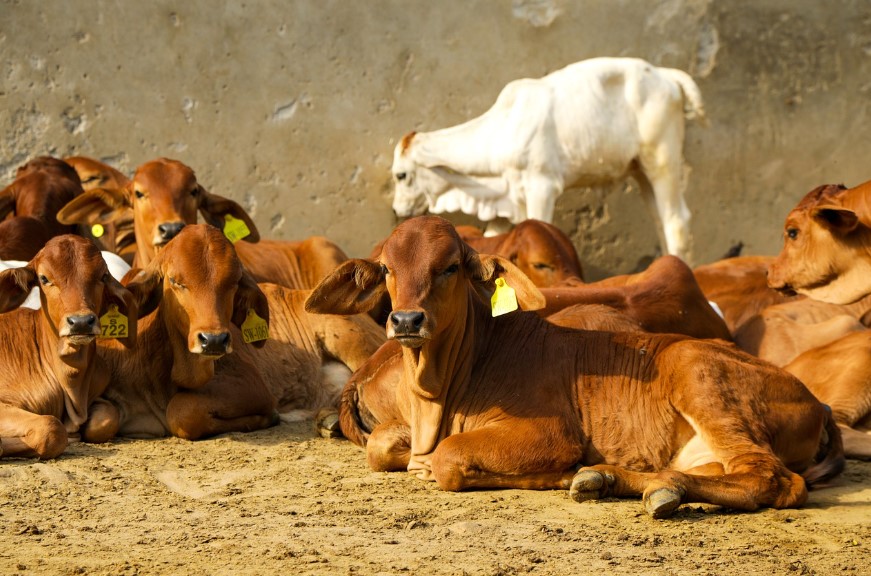
Sahiwal Cow: What Makes It Special, Milk Price, Yield & Gir vs Sahiwal Comparison

When people talk about indigenous dairy cattle, the Sahiwal cow deserves special attention. This breed has earned a reputation not simply because it produces milk, but because it can combine dairy performance with the ability to cope with demanding climates.
That combination makes Sahiwal particularly interesting for farmers looking for cattle that can fit into warm-climate dairy systems.
But what exactly makes a Sahiwal cow special? How much milk can it produce? Is Sahiwal milk expensive? And when it comes to Gir vs Sahiwal, which one should a farmer choose?
Let’s look at each question separately.
What Is Special About Sahiwal Cows?
The biggest strength of Sahiwal cattle is their combination of milk-producing ability, heat adaptability and indigenous genetics.
Sahiwal cattle originated in the Punjab region of the Indian subcontinent and are recognized as an important dairy-type zebu breed.
Unlike cattle that have been developed primarily for cooler environments, Sahiwal has a genetic background suited to tropical and subtropical conditions. This makes the breed especially relevant to dairy farmers operating in hot regions.
The qualities that make Sahiwal stand out include:
- Good dairy potential
- Strong adaptation to warm climates
- Generally manageable temperament
- Indigenous cattle genetics
- Useful milk-fat and milk-solids characteristics
- Suitability for tropical production systems
- Importance in cattle breeding programs
The real attraction isn’t one particular characteristic. It is the combination of several useful characteristics in the same animal.
Why Do Farmers Consider Sahiwal Cattle a Good Choice?
Choosing dairy cattle is not simply about finding the animal that gives the highest number of litres.
A productive cow also needs to remain healthy, reproduce efficiently, handle the local climate and convert available feed into saleable milk.
This is where Sahiwal can be interesting.
Its tropical adaptability can be particularly valuable in regions where heat and environmental stress can affect dairy cattle performance.
For a farmer, that can mean looking at the breed from a broader perspective:
Milk production + adaptability + health + reproduction + feeding cost = real dairy value
That is a much better way to evaluate a cow than looking at milk production alone.
How Much Milk Does a Sahiwal Cow Give?
One of the most searched questions about Sahiwal cattle is their daily milk production.
The honest answer is: there isn’t one fixed number.
Milk production depends on the individual cow, genetics, age, lactation stage, nutrition, health and farm management.
A well-selected Sahiwal cow under good management can produce substantially more milk than an average animal.
This is why claims such as “every Sahiwal cow gives X litres per day” should be treated cautiously.
Before buying a Sahiwal cow, ask for:
- Previous lactation records
- Current daily milk yield
- Calving history
- Age of the animal
- Number of lactations
- Pedigree information
- Health and vaccination records
The actual performance of the cow in front of you is more valuable than an attractive sales claim.
What Affects Sahiwal Cow Milk Yield?
Two Sahiwal cows of the same age can produce very different quantities of milk.
Here are some of the major factors behind that difference.
1. Genetics
Genetics establishes much of the animal’s production potential. Selecting animals from productive bloodlines can therefore be important for breeding farms.
2. Feed Quality
Good-quality green fodder, dry fodder and appropriate concentrates help meet the nutritional requirements of a lactating cow.
3. Clean Water
Milk production requires considerable water. Consistent access to clean drinking water is essential, especially during hot weather.
4. Heat Management
Even a heat-tolerant breed benefits from shade, ventilation and good water availability.
5. Animal Health
Parasites, infections, metabolic problems and poor udder health can all reduce production.
6. Stage of Lactation
Milk production naturally changes throughout a lactation. Comparing cows without considering lactation stage can produce misleading results.
How Much Does 1 Litre of Sahiwal Cow Milk Cost?
There is no single fixed price for one litre of Sahiwal milk.
The amount consumers pay can vary considerably from one location and seller to another.
Factors that can influence the price include:
- Local demand
- Fat and other milk components
- Direct farm sales
- Delivery costs
- Packaging
- Processing
- Brand positioning
- Certification or specialty claims
For this reason, a farmer shouldn’t build a dairy business plan around a generic internet price.
Instead, calculate the actual local selling price and compare it with the complete cost of producing one litre.
A simple dairy profitability formula
Net return per litre = Selling price − Production cost per litre
And production cost should include feed, labor, veterinary care, breeding, electricity, housing and other operating expenses.
Is Sahiwal Milk Different From Regular Cow Milk?
Sahiwal milk is often appreciated for its milk composition, including its fat and other solids.
However, milk composition isn’t identical in every Sahiwal cow.
It can change according to:
- Genetics
- Feed
- Stage of lactation
- Animal health
- Individual variation
- Farm management
Therefore, if milk composition matters to your business, testing the actual milk is more reliable than relying on breed-based assumptions.
Gir vs Sahiwal: Which Cow Is Better?
This is where things get interesting.
Farmers often ask:
“Which cow is better, Gir or Sahiwal?”
The most accurate answer is:
Neither breed is automatically better for every farmer.
Both are valuable indigenous cattle breeds, but the right choice depends on what you’re trying to achieve.
A farmer should compare the actual animals rather than simply comparing breed names.
| Factor | Sahiwal | Gir |
|---|---|---|
| Dairy use | Strong | Strong |
| Hot-climate suitability | Excellent | Excellent |
| Indigenous genetics | Yes | Yes |
| Temperament | Generally docile | Generally docile |
| Milk performance | Varies by animal | Varies by animal |
| Best choice | Depends on farm goals | Depends on farm goals |
When might Sahiwal be attractive?
Sahiwal can be particularly appealing when a farmer wants an indigenous dairy breed with a strong reputation for tropical adaptation and milk production.
When might Gir be attractive?
Gir can make sense when its genetics, availability, local performance and breeding objectives align better with the farmer’s requirements.
8 Reasons Sahiwal Cows Are Popular
1. Built for Warm Conditions
Sahiwal’s ability to perform in tropical environments is one of its defining advantages.
2. Good Dairy Potential
The breed has traditionally been valued for milk production, making it an important indigenous dairy breed.
3. Useful Indigenous Genetics
Sahiwal genetics are valuable for maintaining and improving cattle adapted to tropical environments.
4. Generally Calm Nature
Sahiwal cattle are commonly described as relatively docile, which can make everyday handling easier.
5. Milk With Useful Solids
The breed is recognized for favorable milk composition, although individual results vary.
6. Useful for Breeding
Sahiwal genetics have been incorporated into breeding programs aimed at combining indigenous adaptability with dairy production.
7. Suitable for Different Farming Systems
With appropriate management, Sahiwal cattle can fit into different tropical dairy production models.
8. Longstanding Reputation
The breed’s history and continued use in breeding programs demonstrate its ongoing value rather than making it simply a modern trend.
How to Identify a Good Sahiwal Cow
Buying a Sahiwal cow should involve more than checking its color or physical appearance.
A good purchasing decision starts with the animal’s production history.
Check the following before purchasing:
Milk production:
Ask to see actual records instead of relying on verbal claims.
Udder health:
Look for a well-developed udder and check for signs of abnormalities.
Teats:
Teat structure and placement can affect ease of milking.
Body condition:
The animal should have appropriate body condition for its age and production stage.
Reproductive history:
Previous calving and breeding performance can reveal important information.
Age:
An animal’s age should be considered alongside its lactation history.
Health records:
Vaccination and veterinary records can help establish the animal’s health background.
Pedigree:
Pedigree becomes especially important when buying animals for breeding.
Sahiwal Cow: Frequently Asked Questions
What is special about Sahiwal cows?
Sahiwal cows are known for their good dairy potential, tropical adaptability, indigenous genetics and generally docile nature. Their ability to combine these characteristics makes them valuable for warm-climate dairy farming.
How many litres of milk does a Sahiwal cow give per day?
There is no universal daily figure. Production varies by genetics, nutrition, health, age and lactation stage. Individual high-performing animals can produce considerably more than average animals.
How much is Sahiwal cow milk per litre?
The price varies according to location, milk quality, seller, distribution method and local demand. There is no universally applicable Sahiwal milk price.
Is Sahiwal milk good?
Sahiwal milk is valued for its composition, including fat and other milk solids. However, actual milk quality varies between animals, so testing is the best way to determine its composition.
Is Sahiwal better than Gir?
Not necessarily. Gir and Sahiwal both have strengths. The better breed depends on the farmer’s climate, feeding system, breeding goals, market and the quality of the individual animal.
Is Sahiwal suitable for hot weather?
Yes. Sahiwal is recognized for its ability to adapt to tropical and subtropical environments, which is one of the breed’s major advantages.
Is Sahiwal an indigenous cattle breed?
Yes. Sahiwal is an indigenous cattle breed of the Indian subcontinent, historically associated with the Punjab region.
Final Thoughts: Why Sahiwal Still Matters
The appeal of the Sahiwal cow isn’t based on one impressive number.
It comes from balance.
A good Sahiwal combines dairy ability with the kind of environmental adaptability that matters in hot climates. That makes the breed relevant to farmers who want to build a dairy operation around indigenous cattle rather than relying entirely on exotic breeds.
Still, the smartest farmer doesn’t buy a cow simply because it is labeled “Sahiwal.”
They look at the milk record, genetics, health, fertility, feed requirements and expected market return.
And that is the real secret to choosing a good Sahiwal cow:
Don’t buy the breed name. Buy the performance, health and potential of the individual animal.
for more information visit dhundairytech.com