sales@dhundairytech.com | +91 8200673508

How Many Liters of Milk Does a Cow Give in One Day?

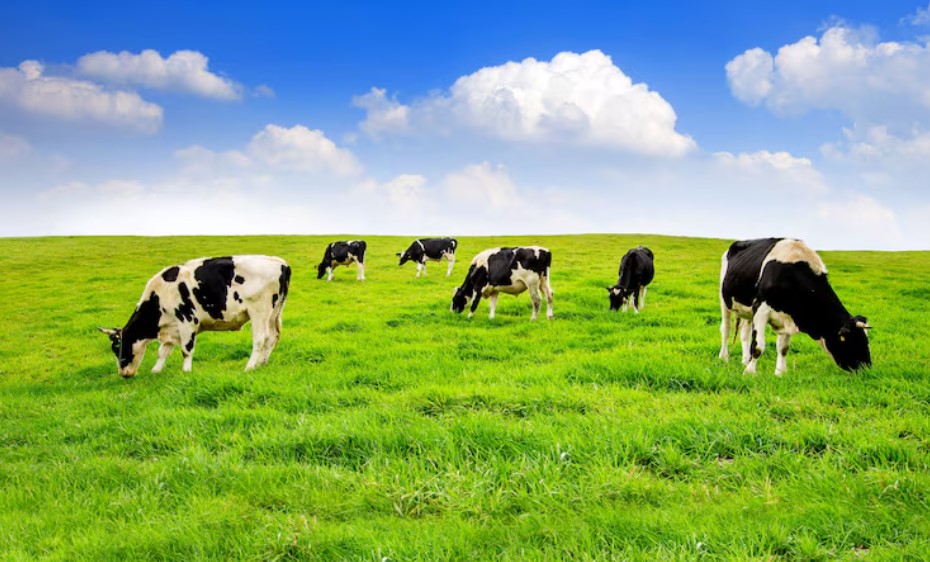
How many liters of milk does a cow give in one day? The answer depends on the cow’s breed, genetics, feed quality, stage of lactation, health, age, and overall farm management. On average, a dairy cow may produce around 8 to 25 liters of milk per day, while high-producing cows under well-managed commercial dairy systems can produce significantly more.
Milk production is not a fixed number. A cow’s daily yield changes throughout her lactation cycle, so understanding the factors behind milk production is important for farmers, dairy owners, and anyone interested in cattle farming.
Quick Answer: How Much Milk Does a Cow Give Per Day?
A typical dairy cow can produce approximately:
| Type of Cow / Production Level | Approx. Milk Per Day |
|---|---|
| Low-producing cow | 5–10 liters |
| Average dairy cow | 8–15 liters |
| Good-producing dairy cow | 15–25 liters |
| High-producing cow | 25–40+ liters |
| Exceptional individual cows | 40+ liters in some cases |
These are general ranges, not guaranteed yields. Two cows of the same breed can produce different quantities of milk because their genetics, nutrition, health, environment, and management may differ.
What Determines a Cow’s Daily Milk Production?
Several factors influence how many liters of milk a cow produces every day.
1. Cow Breed
Breed is one of the most important factors affecting milk yield.
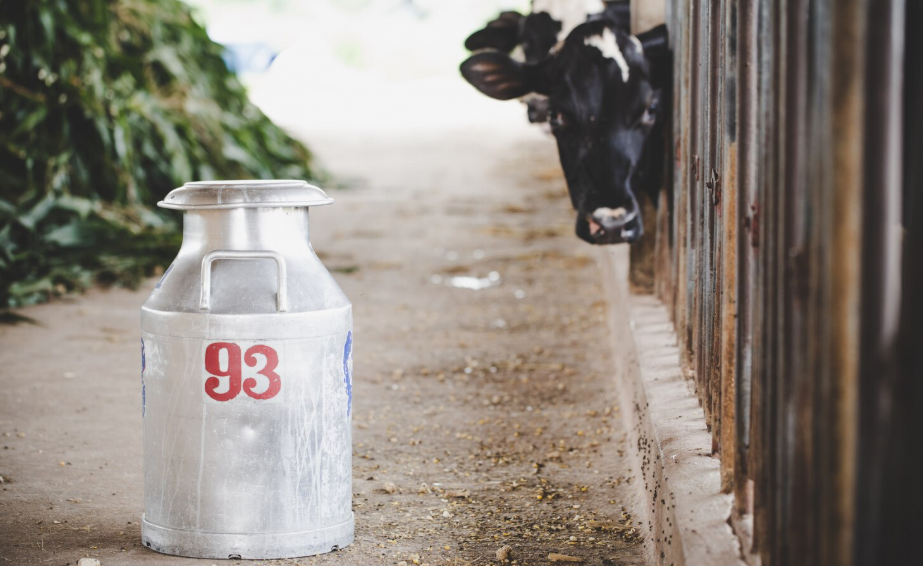
For example, Holstein Friesian (HF) cattle are known for high milk production and are widely used in commercial dairy farming. Jersey cows generally produce less milk by volume than HF cows but are known for relatively high milk-fat content.
Indian breeds such as Gir and Sahiwal are valued for their adaptability to Indian climatic conditions and can perform well when managed properly.
The breed alone, however, does not determine the final yield. Nutrition and farm management play an equally important role.
2. Quality and Quantity of Feed
A cow needs adequate energy, protein, fiber, minerals, vitamins, and clean water to maintain healthy milk production.
A balanced dairy ration may include:
- Green fodder
- Dry fodder
- Silage
- Concentrate feed
- Mineral mixture
- Salt
- Adequate clean drinking water
Poor-quality or insufficient feed can reduce milk production, even in a genetically high-producing cow.
3. Water Availability
Water is particularly important because milk contains a large proportion of water.
A lactating cow needs reliable access to clean, fresh drinking water throughout the day. Restricting water availability can negatively affect feed intake, animal comfort, and milk production.
For this reason, a properly designed cattle water trough is an important part of dairy-farm infrastructure.
4. Stage of Lactation
A cow does not produce the same amount of milk every day.
After calving, milk production generally rises and reaches a peak during early lactation. It then gradually declines as lactation progresses.
A simplified lactation pattern looks like this:
Calving → Milk production rises → Peak production → Gradual decline → Dry period
Therefore, asking “How many liters does a cow give per day?” without considering the stage of lactation can give a misleading answer.
5. Cow Health
Healthy cows are more likely to maintain consistent milk production.
Health problems, infections, parasites, nutritional deficiencies, heat stress, and other conditions can reduce milk yield.
Mastitis, for example, can affect both milk production and milk quality, which is why regular observation and good milking hygiene are essential.
6. Climate and Heat Stress
Temperature and humidity can have a major impact on dairy cattle.
During hot weather, cows may eat less and drink more water. Reduced feed intake can subsequently affect milk production.
Good ventilation, shade, comfortable resting areas, and sufficient access to drinking water can help improve cow comfort during hot conditions.
How Much Milk Does a Cow Give in the Morning and Evening?
Many dairy farms milk cows twice a day, although some high-producing operations may use different milking schedules.
If a cow produces 20 liters per day and is milked twice, the yield might be divided approximately as:
- Morning milking: around 11 liters
- Evening milking: around 9 liters
The actual distribution will vary. Milk production is not necessarily divided into exactly equal quantities.
The interval between milkings, feeding schedule, cow physiology, and individual production level can all influence the amount collected at each milking.
Which Cow Breed Gives the Most Milk?
There is no single breed that will produce the highest yield under every farming condition.
Holstein Friesian (HF) cattle are among the world’s best-known high-milk-producing dairy breeds. Under suitable nutrition, genetics, housing, climate management, and veterinary care, individual HF cows can produce very high daily yields.
Jersey cows typically produce less milk by volume than HF cattle, but their milk is known for higher fat and protein concentrations.
For Indian dairy farms, choosing a breed should not be based only on maximum liters of milk. Farmers should also consider:
- Climate adaptability
- Feed availability
- Disease resistance
- Milk composition
- Cost of maintenance
- Local veterinary support
- Farm housing conditions
- Availability of quality breeding stock
The best cow for a farm is often the one that provides a sustainable combination of milk yield, health, fertility, adaptability, and manageable feeding costs.
Can a Cow Give 30 Liters of Milk a Day?
Yes. Some high-producing dairy cows can produce 30 liters or more per day, particularly during peak lactation and under good management.
However, 30 liters should not be treated as a normal expectation for every cow.
A cow producing 30 liters daily has substantially higher nutritional and water requirements than a cow producing 8–10 liters. Her ration, water access, mineral supplementation, housing, cooling, and overall health need to support that level of production.
Can a Cow Give 40 Liters of Milk a Day?
Yes, individual high-producing cows can reach 40 liters or more per day, particularly in high-performance dairy systems.
Such production is generally associated with favorable genetics, excellent nutrition, careful herd management, and the cow’s stage of lactation.
It is important to distinguish between peak daily production and average production over an entire lactation. A cow may reach a very high yield for a period without maintaining that level throughout the year.
How Much Water Does a Milk-Producing Cow Need?
Water intake varies with body size, feed composition, milk yield, temperature, humidity, and other factors.
As milk production increases, the cow’s need for water generally increases as well.
For dairy farmers, this means water should not be treated as an occasional resource. Cows should have easy and continuous access to clean drinking water.
A well-positioned cattle water trough can help ensure that multiple animals can drink comfortably without unnecessary competition.
Why Is a Good Cattle Water Trough Important?
A suitable water trough should provide:
- Adequate capacity for the herd
- Easy access for cattle
- Safe construction
- Easy cleaning
- Reliable water availability
- Resistance to outdoor conditions
- Appropriate height and design
Clean water availability is particularly important in hot climates, where cattle can experience increased water demand.
How to Increase Milk Production in Cows Naturally
There is no single feed or product that guarantees higher milk production. Instead, farmers should focus on overall herd management.
Provide a Balanced Diet
The ration should match the cow’s production level and nutritional requirements. Sudden feed changes should be avoided whenever possible.
Ensure Constant Access to Clean Water
Fresh water should be available throughout the day. Water troughs should be cleaned regularly to prevent contamination and maintain water quality.
Reduce Heat Stress
Provide shade, ventilation, adequate space, and access to water. Cooling strategies can be especially valuable during hot and humid weather.
Maintain Good Milking Hygiene
Clean udders, clean milking equipment, and proper milking procedures can help reduce the risk of udder infections and support milk quality.
Monitor Cow Health
Regular observation can help farmers identify changes in appetite, behavior, milk yield, body condition, or other signs that may require veterinary attention.
Maintain Comfortable Housing
Cows need clean, dry, well-ventilated, and comfortable resting areas. Good housing contributes to animal welfare and can support productive performance.
Average Cow Milk Production: What Should Farmers Expect?
Instead of focusing on one universal number, dairy farmers should monitor the individual cow’s daily production and compare it with her previous performance.
For example:
If a cow normally produces 18 liters per day but suddenly drops to 12 liters, the change may be more important than whether 12 liters is considered “average.”
A sudden decrease can be associated with changes in feed, water intake, heat stress, illness, milking routine, or other management factors.
Keeping daily milk records helps farmers identify these changes early.
Frequently Asked Questions
How many liters of milk does an average cow give per day?
An average dairy cow may produce around 8–25 liters of milk per day, depending on breed, genetics, feed, health, climate, and stage of lactation.
Which cow gives 20 liters of milk per day?
Several dairy breeds and crossbred cows can produce around 20 liters per day under suitable management. Actual production depends on the individual cow rather than breed alone.
Can a cow give 30 liters of milk daily?
Yes. High-producing dairy cows can produce 30 liters or more per day, especially during peak lactation with appropriate nutrition and management.
How many liters of milk does a Gir cow give per day?
Gir cow milk production varies considerably between individual animals and management systems. Some may produce modest quantities while selected, well-managed animals can produce substantially more.
How many liters of milk does a Jersey cow give per day?
Jersey milk yield varies according to genetics, nutrition, health, and lactation stage. Jersey cows generally produce less milk by volume than high-producing Holstein Friesian cows, but their milk typically has higher fat content.
Does giving more water increase milk production?
Adequate water is essential for maintaining normal milk production, but simply providing extra water does not guarantee an increase beyond the cow’s biological and nutritional capacity. Clean, easily accessible water helps cows meet their hydration needs.
Does cow breed affect milk production?
Yes. Genetics and breed have a major influence on milk-producing potential. However, nutrition, health, environment, lactation stage, and farm management also have significant effects.
Final Takeaway
So, how many liters of milk does a cow give in one day?
A practical answer is around 8 to 25 liters per day for many dairy cows, while high-producing cows can exceed 30 liters and, in some cases, reach 40 liters or more.
But the most important point for dairy farmers is that milk production is the result of the entire management system. Genetics may determine the cow’s potential, but nutrition, water, health, housing, climate control, and daily care determine how much of that potential can be achieved.
For a productive dairy farm, think beyond the milk bucket: good feed + clean water + comfortable housing + proper milking + regular health monitoring = healthier cows and more consistent milk production.
for more information visit dhundairytech.com